Is Comedy Part of Wrestling’s DNA? Why Danhausen Might Be WWE’s Next Cult Icon
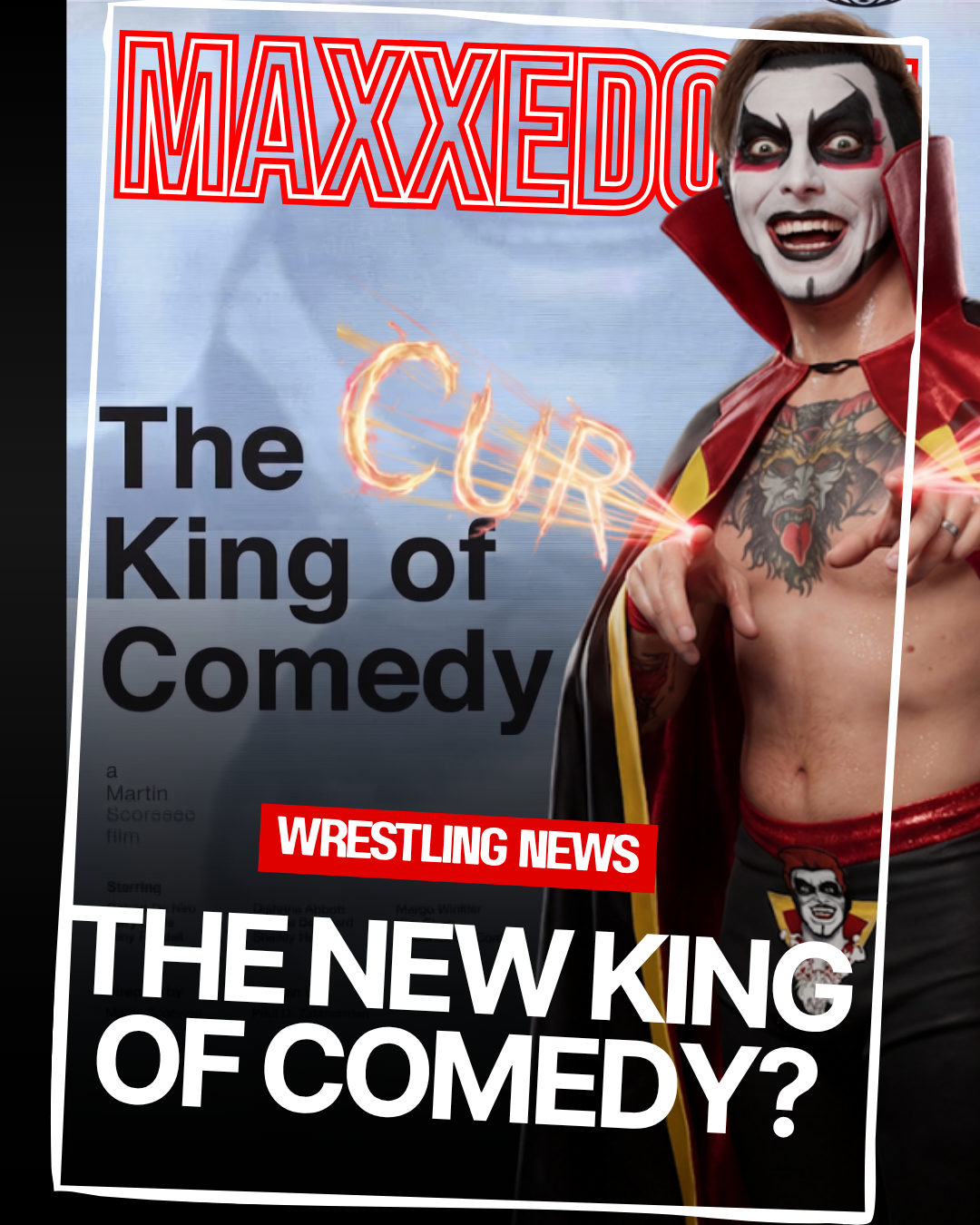
Every era ends up with one character that splits the audience. Not gradually, not over time, but almost immediately. The reaction shows up before the explanation does. In 2026, that character is Danhausen.
The divide around him isn’t new. It follows a pattern wrestling has repeated for decades, where part of the audience rejects the presentation outright while another part locks in even harder because of it. That tension tends to signal something more important than whether the character works. It usually means the character is doing something different enough to stand out in a system that doesn’t produce much variation.
Wrestling has never operated on realism alone. It has always needed contrast to function, and that contrast usually comes from characters willing to disrupt tone. George Steele leaning into absurdity, Santino turning comedy into a weapon, R-Truth stretching logic until it became his identity. Those characters were not separate from wrestling. They were part of the mechanism that made everything else feel grounded.
That role has not had a clear presence on the current roster. When Danhausen appears, the reaction fills that gap immediately. The look is exaggerated, the delivery is controlled, and the audience response happens without explanation. Whether someone buys into it or not does not slow it down.
The WrestleMania segment worked for the same reason. It did not rely on the comedy landing in isolation. It took over the structure of the segment. Cena establishes a familiar tone, Miz anchors it with ego, and the segment starts moving toward a predictable conclusion. Danhausen entering does not just interrupt that direction, it resets it. The handshake acknowledges it. Miz rejecting it creates friction. From that point forward, the segment is no longer about resolution. It becomes about the shift.
That is usually where wrestling leaves its mark. Not in clean progression, but in moments that override it. The visual sticks. The beat gets replayed. The logic becomes secondary.
The pattern after that is less consistent. WWE has a history with characters like this, and it tends to break in one of two directions. Either the company leans into what is already working and lets it evolve, or the reaction levels out and the character gets repositioned into something safer. There is not much evidence of a middle path.
The response around Danhausen already points in one direction. The reactions are immediate. The recognition is there. The character translates outside the show. That combination is not accidental, and it usually does not last on its own without direction.
What matters is how early that direction shows up. When WWE gets ahead of momentum, those characters tend to hold their place. When it waits, it ends up chasing something the audience has already defined.
Comedy has always been part of how wrestling maintains that balance. Without it, everything moves at the same level and nothing separates. The absurd elements do not weaken the product, they create space for everything else to feel sharper.
Danhausen does not need to be positioned at the top of the card for this to matter. The function is different. It is about being distinct enough that the segment changes because he is in it. That is historically where characters like this either settle into something lasting or disappear once the reaction stabilizes.
The reaction is already there. The only variable left is whether WWE treats it as something to build, or something to contain.